Reasons for Experiencing Pain in the Ball of the Foot

The ball of the foot is located between the arch of the foot and the toes, and it primarily contains metatarsal bones. While walking, weight is transferred from the heel to the ball of the foot, and an uneven weight transfer can cause pain and swelling in that area. As you get older, the fat pad at the bottom of the foot can wear away and cause shock to the ball of the foot. Pain in the ball of the foot can also be caused by high arches, obesity, arthritis, ill-fitting shoes, and wearing high heels too often. If you are looking to manage and limit this type of pain from becoming worse, please consult with a podiatrist for professional guidance.

Foot Pain

Foot pain can be extremely painful and debilitating. If you have a foot pain, consult with Dr. Edwin S. Hart from Pennsylvania. Our doctor will assess your condition and provide you with quality foot and ankle treatment.

Causes

Foot pain is a very broad condition that could be caused by one or more ailments. The most common include:

  • Bunions
  • Hammertoes
  • Plantar Fasciitis
  • Bone Spurs
  • Corns
  • Tarsal Tunnel Syndrome
  • Ingrown Toenails
  • Arthritis (such as Gout, Rheumatoid, and Osteoarthritis)
  • Flat Feet
  • Injury (from stress fractures, broken toe, foot, ankle, Achilles tendon ruptures, and sprains)
  • And more

Diagnosis

To figure out the cause of foot pain, podiatrists utilize several different methods. This can range from simple visual inspections and sensation tests to X-rays and MRI scans. Prior medical history, family medical history, and any recent physical traumatic events will all be taken into consideration for a proper diagnosis.

Treatment

Treatment depends upon the cause of the foot pain. Whether it is resting, staying off the foot, or having surgery; podiatrists have a number of treatment options available for foot pain.

If you have any questions, please feel free to contact our office located in Bethlehem, PA . We offer the newest diagnostic and treatment technologies for all your foot care needs.

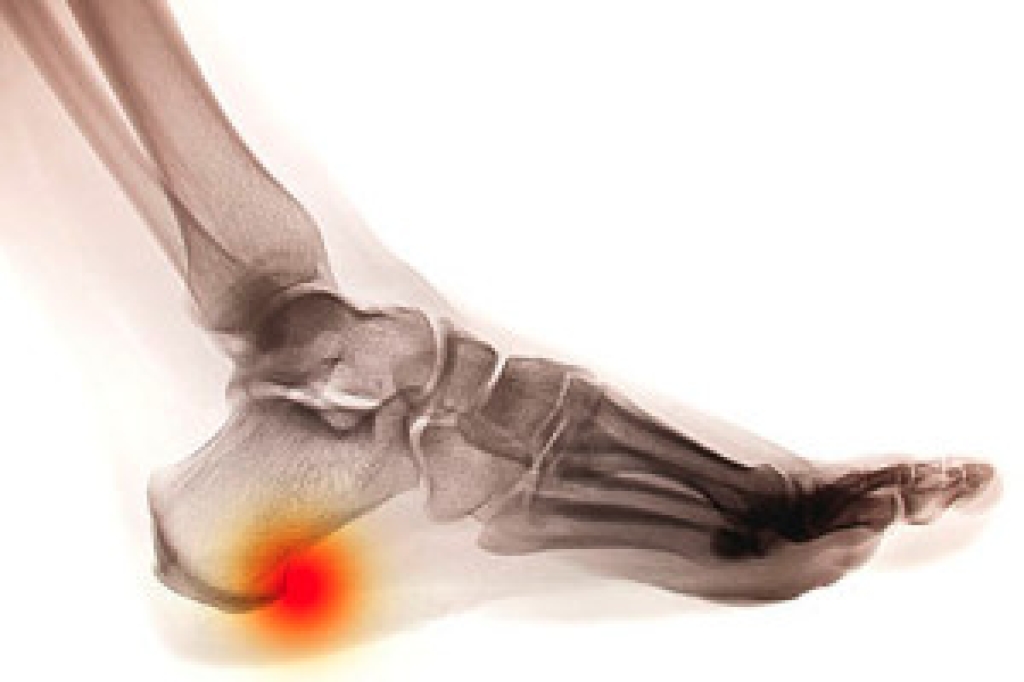
Read more about Foot Pain

It's Time for Beautiful Feet

You don't need an excuse to have beautiful nails. Step outside without worrying about the appearance of your feet.

Two Types Of Heel Spurs

Patients who have developed a bone spur are often aware of the pain and discomfort it can cause. Heel spurs that develop on the bottom of the heel is classified as heel spur syndrome. When a bone spur forms at the back of the heel at the point where the Achilles tendon fits into the bone, it is known as insertional Achilles tendonitis. Heel spurs can develop as a result of frequently participating in running and jumping activities that can overstretch the plantar fascia. Limited range of motion can occur with Achilles tendonitis, and it may be more common among patients who are middle-age. If you have pain in your heel, it is strongly suggested that you consult with a podiatrist who can diagnose heel spurs, and offer the correct treatment for you.

Heel spurs can be incredibly painful and sometimes may make you unable to participate in physical activities. To get medical care for your heel spurs, contact Dr. Edwin S. Hart from Pennsylvania. Our doctor will do everything possible to treat your condition.

Heels Spurs

Heel spurs are formed by calcium deposits on the back of the foot where the heel is. This can also be caused by small fragments of bone breaking off one section of the foot, attaching onto the back of the foot. Heel spurs can also be bone growth on the back of the foot and may grow in the direction of the arch of the foot.

Older individuals usually suffer from heel spurs and pain sometimes intensifies with age. One of the main condition's spurs are related to is plantar fasciitis.

Pain

The pain associated with spurs is often because of weight placed on the feet. When someone is walking, their entire weight is concentrated on the feet. Bone spurs then have the tendency to affect other bones and tissues around the foot. As the pain continues, the feet will become tender and sensitive over time.

Treatments

There are many ways to treat heel spurs. If one is suffering from heel spurs in conjunction with pain, there are several methods for healing. Medication, surgery, and herbal care are some options.

If you have any questions, please feel free to contact our office located in Bethlehem, PA . We offer the newest diagnostic and treatment technologies for all your foot care needs.

Read more about Heel Spurs

Types of Ankle Sprains

A common injury among athletes is an ankle sprain. There are several types of ankle sprains that can occur. These can consist of injury to the ligaments on the outside of the ankle, which is called a lateral sprain. When the toes turn out while they are pointing up, the medial portion of the ankle can become hurt, and this type of sprain may take longer to heal. A sprain that occurs to the front or back ligaments is referred to as a syndesmotic sprain. Common symptoms that patients can experience with ankle sprains can include severe pain, swelling, and difficulty walking. Relief may be found when the impacted foot is elevated, as this may help to diminish a portion of the swelling. Additionally, existing bruising may be controlled when an ankle wrap is used, or a protective boot is worn. If you have sprained your ankle, it is strongly suggested that you speak with a podiatrist who can determine what the best treatment is for you.

Although ankle sprains are common, they aren’t always minor injuries. If you need your ankle injury looked at, contact Dr. Edwin S. Hart from Pennsylvania. Our doctor can provide the care you need to keep you pain-free and on your feet.

How Does an Ankle Sprain Occur?

Ankle sprains are the result of a tear in the ligaments within the ankle. These injuries may happen when you make a rapid shifting movement while your foot is planted. A less common way to sprain your ankle is when your ankle rolls inward while your foot turns outward.

What Are the Symptoms?

  • Pain at the sight of the tear
  • Bruising/Swelling
  • Ankle area is tender to touch
  • In severe cases, may hear/feel something tear
  • Skin discoloration

Preventing a Sprain

  • Wearing appropriate shoes for the occasion
  • Stretching before exercises and sports
  • Knowing your limits

Treatment of a Sprain

In many cases, the RICE method (Rest, Ice, Compression, and Elevate) is used to treat ankle sprains. However, you should see a podiatrist to see which treatment option would work best with your injury. In severe cases, surgery may be required.

It is important to ask your doctor about rehab options after you receive treatment for your injury. Stretching, strength training, and balance exercises may help the ankle heal while also preventing further injury.

If you have any questions, please feel free to contact our office located in Bethlehem, PA . We offer the newest diagnostic and treatment technologies for all your foot care needs.
Read more about Ankle Sprains

Heel Pain May Be Present In Overweight People

Research has indicated heel pain may be experienced by people who are overweight. This can be a result of the added weight the feet carry as daily activities are performed. Significant heel pain can be indicative of plantar fasciitis, and this occurs when the plantar fascia becomes inflamed. Patients who are overweight can notice symptoms of this condition, and it often begins with heel pain. The feet may feel better when excess weight is reduced, and this can be accomplished by consuming fewer calories. Additionally, it is beneficial to engage in a daily exercise routine, despite the discomfort the feet may feel. If you would like more information about how the feet are affected by obesity, please consult with a podiatrist.

Obesity has become very problematic at this point in time and can have extremely negative effects on the feet. If you’re an obese individual and are concerned about your feet, contact Dr. Edwin S. Hart from Pennsylvania. Our doctor can provide the care you need to keep you pain-free and on your feet.

Obesity and Your Feet

Since your feet are what support your entire weight when standing, any additional weight can result in pain and swelling. Being overweight is one of the main contributors to foot complications.

Problems & Complications

Extra Weight – Even putting on just a few extra pounds could create serious complications for your feet. As your weight increases, your balance and body will shift, creating new stresses on your feet. This uneven weight distribution can cause pain, even while doing the simplest tasks, such as walking.

Diabetes – People who are overweight are at serious risk of developing type-2 diabetes, which has a drastic impact on the health of your feet. As you get older, your diabetes might worsen, which could lead to loss of feeling in your feet, sores, and bruises. You could also become more prone to various infections.

Plantar fasciitis – Pressure and stress that is placed on muscles, joints, and tendons can trigger plantar fasciitis, which is an inflammation of tissue that forms along the bottom of the foot. 

If you have any questions, please feel free to contact our office located in Bethlehem, PA . We offer the newest diagnostic and treatment technologies for all your foot care needs.

Read more about How Obesity Affects Your Feet